
Quick Answer: To prepare your home for sale in Hamilton, start by identifying repairs that may concern buyers, then declutter, clean, organize property records, and prepare for photography and showings. The costly mistake is renovating before deciding which work supports the home’s condition, likely buyer, price range, and listing timeline.
Right at Home Realty, Brokerage helps sellers approach pre-listing work in a practical order. A sale-ready home does not need to look newly renovated. It should feel cared for, function properly, show its space clearly, and give buyers fewer reasons to question its condition.
Key Takeaways
- Start with a property and pricing strategy before committing to major upgrades.
- Address visible maintenance and functional concerns before spending on optional renovations.
- Decluttering helps buyers assess storage, room size, and layout.
- Cleaning, curb appeal, accurate photography, and organized records can help strengthen buyer confidence.
- A pre-listing inspection can be useful when early information would affect repair, pricing, or disclosure decisions.
Start With a Pre-Listing Plan Before Spending on Improvements
Assess the home before hiring trades or buying materials. Sellers often start with the room they dislike most, such as a kitchen, bathroom, or dated basement. That can lead to unnecessary spending when the project reflects personal preference instead of the home’s selling strategy.
A pre-listing plan identifies what buyers need to see, what could distract them, and what should be completed before photography. It should account for the listing timeline, the condition of comparable homes, and the disruption a project will create.
Identify the Home’s Strongest Features and Likely Buyer Priorities
Look at the property from a buyer’s perspective. Consider the home type, layout, parking, storage, outdoor space, natural light, room function, visible condition, and practical location features. A buyer considering a family home may focus on different details than someone considering a condo, townhouse, or older detached property.
Sellers can focus heavily on cosmetic finishes while buyers also assess whether the home works for daily life. Clear storage, usable bedrooms, accessible parking, a functional basement, and an orderly exterior can tell a more complete story than one updated feature surrounded by unfinished maintenance.
Hamilton buyers may compare properties based on commuting routes, nearby amenities, lot use, transit access, and neighbourhood setting. Sellers should be ready to present verifiable details accurately. For more context, review what buyers look for when purchasing a house in Hamilton.
Separate Necessary Repairs From Optional Upgrades
Not every project belongs on a pre-listing checklist. A useful way to prioritize work is to separate it into three categories.
- Essential repairs: Functional, safety-related, moisture-related, or visibly damaged items that can raise immediate buyer questions.
- Presentation improvements: Cleaning, touch-up paint, lighting, landscaping cleanup, minor hardware repairs, and decluttering.
- Optional upgrades: Larger renovations or finish changes that should be assessed against the listing strategy, timeline, and cost.
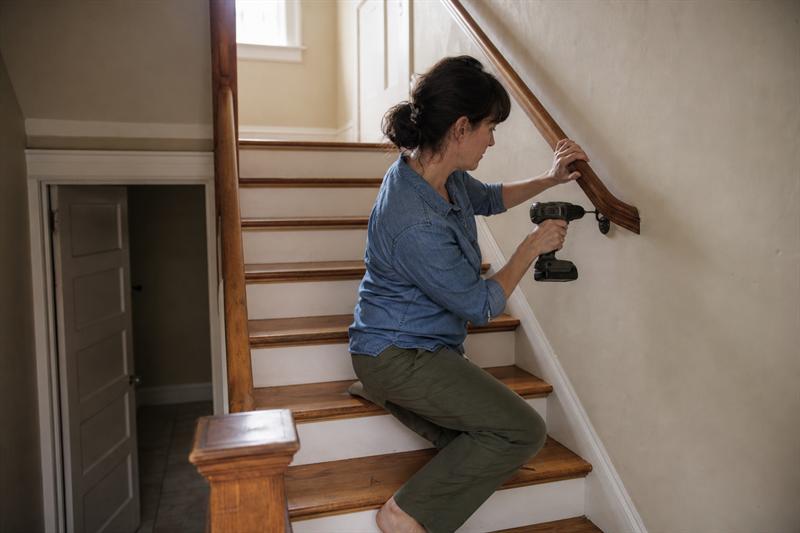
If buyers see a loose railing, leaking faucet, damaged caulking, or visible water staining, they may wonder what else has been deferred. That concern can lead to closer scrutiny during showings and inspections.
Electrical, roofing, plumbing, heating, structural, and significant moisture concerns should be reviewed by qualified professionals. Cosmetic work should not be used to conceal a condition that needs repair or should be addressed appropriately during the sale process.
Build a Realistic Timeline and Budget
Build the preparation schedule backward from the intended listing date. Repairs should happen before cleaning, cleaning before photography, and photography before the listing goes live. Reversing that order can mean repeated work or a delayed launch.
Allow time for sorting belongings, booking trades, gathering documents, arranging cleaning, and keeping the home ready for viewings. The timeline depends on the property’s condition, the scope of work, and contractor availability, so fixed timelines are rarely useful.
Pricing and preparation should be connected. A major project should have a clear role in the home’s market position, not simply feel overdue. The Hamilton real estate market trends guide for buyers and sellers offers additional context on how pricing, condition, and buyer expectations can work together.
Address Repairs and Deferred Maintenance That Can Distract Buyers
Buyers do not expect every home to be flawless, but they generally expect to understand what they are buying. Visible deferred maintenance can make a home feel like a future project before the buyer has decided whether it suits their needs.
Several small unfinished tasks can sometimes have more impact than one older but well-maintained feature. The issue is not always age; it is whether the home appears consistently cared for.
Prioritize Functional and Visible Concerns
Start with issues that affect use, safety, access, or visible upkeep. These are the concerns most likely to stay with buyers after a showing and lead to later questions.
- Leaking faucets, damaged caulking, or visible plumbing-related staining
- Loose railings, damaged steps, uneven walkways, or poor entry access
- Sticking doors, damaged screens, broken fixtures, and worn trim
- Signs of moisture, water intrusion, or drainage concerns
- Visible concerns involving heating, cooling, electrical systems, roofing, or structure
- Broken lights, damaged outlets, or fixtures that do not function as intended
Repeated moisture marks, active leaks, exterior deterioration, or a system that is not functioning properly may point to more than a presentation issue. Leaving these concerns unresolved can lead to stronger buyer concern and more questions during due diligence. Qualified trades or inspectors should assess specialized conditions.
Make Small Repairs That Improve Buyer Confidence
Small repairs matter because buyers notice patterns. A burned-out bulb, loose cabinet handle, cracked switch plate, scuffed wall, or damaged weatherstripping does not necessarily change a property’s value on its own. When these details appear throughout the home, they can suggest that regular upkeep has been delayed.
Focus on consistency from the entrance through the bedrooms, basement, garage, and outdoor spaces. A clean, functional home gives buyers less to decode and makes the property easier to photograph and show.
Know When a Major Renovation May Not Be the Best First Step
A full kitchen, bathroom, flooring, or layout renovation is not always the right move before selling. Major work adds cost, creates delays, and can introduce new issues when rushed. It can also reflect the seller’s taste more than the needs of the likely buyer.
A targeted refresh is often more practical when a room is functional but tired. Cleaning, repairing damaged elements, improving lighting, replacing worn hardware, and completing neutral touch-ups can improve presentation without turning the sale timeline into a renovation project.
The key question is whether the project addresses a real buyer concern or improves how the home is understood. If it does neither, it may not belong in the pre-listing plan.
Declutter, Depersonalize, and Make Each Room Easier to Understand
Decluttering is not about making a lived-in home look empty. It helps buyers see the layout, storage, finishes, and everyday function. When furniture blocks walkways or belongings fill every surface, buyers may spend the viewing looking past the contents instead of evaluating the property.
This becomes more difficult when storage areas have turned into overflow spaces. Buyers may open closets, inspect utility rooms, assess garages, and look in basements. These areas can shape their view of usable space and future workload.
Make Storage and Layout Visible
Remove excess furniture that makes rooms feel smaller or interrupts natural pathways. Clear kitchen counters, bathroom vanities, dining tables, entryways, and window ledges so buyers can see the available surfaces and the room itself.
Closets do not need to be empty, but they should show usable capacity. A packed closet can suggest limited storage, even when the closet is a reasonable size. The same principle applies to pantries, linen closets, laundry rooms, and mudrooms.
Depersonalize Without Making the Home Feel Empty
Remove highly personal photographs, sensitive documents, visible mail, and personal financial information. Secure valuables, medications, small electronics, and important paperwork before photography and showings begin.
The goal is to protect privacy while keeping the home easy to understand. A dining room should still read as a dining room, and a bedroom should still show its intended function. Over-clearing a space can make it feel unfinished, while overfilling it makes the layout difficult to read.
Do Not Skip Basements, Garages, Utility Rooms, and Outdoor Storage
These are spaces sellers may leave until the end, but buyers may use them to assess storage, maintenance, and future work. A cluttered utility room, inaccessible panel, packed garage, or crowded shed can make buyers question storage, upkeep, and access to important systems.
- Clear safe access to visible panels, furnaces, water shutoffs, and sump pumps where applicable.
- Remove discarded materials, excess boxes, and items that create tripping hazards.
- Allow buyers to see garage capacity, basement storage, and outdoor storage space.
- Keep side yards, decks, balconies, and sheds orderly before photographs and showings.
Clearing these areas does not mean altering or repairing technical systems without appropriate help. It means making the spaces safe to enter and easier to assess.
Clean, Refresh, and Strengthen Curb Appeal
The listing experience begins at the curb, not in the kitchen. Buyers can form an early impression from the driveway, walkway, landscaping, entry door, exterior lighting, and visible condition of the property. A neglected entrance can lead buyers to look more closely for neglected areas inside.
Curb appeal does not require expensive landscaping. It generally requires order, access, cleanliness, and attention to visible details.
Improve the First Impression From the Street to the Front Door
Clear walkways, remove debris, trim overgrowth, maintain lawns and garden beds, and make sure house numbers are visible. Clean the front door, exterior glass, porch lights, and railings. Address peeling paint, loose railings, clutter near the entrance, or damaged fixtures that create a negative first impression.
If buyers need to step around equipment, debris, or overgrown landscaping to reach the door, the showing starts with friction. That first impression can affect how they experience the rest of the visit.
Deep Clean High-Impact Interior Areas
Kitchens and bathrooms generally need the most detailed cleaning because buyers tend to inspect them closely. Floors, windows, baseboards, appliances, light fixtures, and frequently touched surfaces also deserve attention because they contribute to the overall sense of care.
Address odours at the source rather than relying on heavily scented products. Odours from pets, smoke, moisture, garbage, or cooking can be difficult for buyers to ignore and may lead them to wonder whether there is a larger issue. Professional cleaning can be useful when the home needs more than a standard reset.
Refresh Details That Show Well in Photos and Viewings
Use simple touch-ups where visible wear is distracting. Replace burned-out bulbs, clean window coverings, make lighting consistent, and remove unfinished paint supplies or project materials before photographs are taken.
Starting last-minute changes that are not finished by launch day is a common problem. An incomplete project can create more concern than an older feature that is clean, functional, and accurately presented.
Use Staging and Photography to Support the Listing Strategy
Staging and photography should help buyers understand the home quickly. They are not tools for disguising condition problems. Strong presentation makes room function, flow, scale, storage, and key features easier to see.
Preparation should be complete before photography. Photos taken before repairs, cleaning, or decluttering are finished can lead to rescheduling, repeated work, or listing images that do not show the home clearly.
Decide Whether Staging Is Appropriate for the Property
Staging is most useful when a home is vacant, rooms have unclear functions, or existing furniture makes the layout feel crowded. A vacant den, oversized living room, or awkward dining area can be easier for buyers to understand when its intended use is shown clearly.
Occupied homes do not always need full staging. Decluttering, rearranging furniture, removing excess personal items, and improving lighting may be enough when the home already has a functional layout. The practical choice is the one that makes the space clear without adding unnecessary expense.
Prepare Before Professional Photography
Before real estate photos are taken, complete the final reset. This helps prevent personal items and small distractions from becoming part of the listing presentation.
- Finish repairs, cleaning, and touch-ups first.
- Remove visible cords, garbage bins, pet supplies, dishes, and countertop clutter.
- Open blinds where appropriate and replace burned-out bulbs.
- Clear personal photographs, mail, documents, and unnecessary signs.
- Make every room accessible, including storage areas that will be photographed.
- Prepare decks, balconies, yards, entrances, and outdoor seating areas.
Photography should accurately represent the home. Removing clutter is appropriate; concealing a material issue is not. Buyers who discover a condition during a showing that was not apparent online may lose confidence.
When Listing Preparation Reveals a Bigger Problem
A clear pre-listing plan may be needed when the home has more than surface-level preparation work. The following signs may call for more than a weekend cleaning list:
- Multiple visible repairs appear in different rooms or around the exterior.
- Moisture, drainage, roof, heating, electrical, or plumbing concerns are difficult to explain.
- Clutter is concealing storage, utility areas, room function, or property condition.
- A major renovation is being considered without a clear pricing or listing reason.
These signs may mean the home needs a prioritized strategy before photographs are booked. Acting without that plan can lead to rushed spending, incomplete work, and buyer questions that become harder to manage once the listing is live.
Create a Showing-Ready Routine
A showing-ready routine needs to be realistic enough to repeat. Reset dishes, laundry, pet supplies, garbage, valuables, personal documents, lights, and entry areas each day. Keep a short checklist near the door so the household can prepare quickly when a viewing is arranged.
Trying to clean the entire home from scratch before every showing can create stress and inconsistency. A simple routine helps keep the property presentable without disrupting daily life more than necessary.
For a broader look at the selling process after the home is prepared, see How to Sell Your Home in Hamilton: A Complete Seller’s Guide.
Organize Property Information Before Your Home Goes on the Market
Organized property information helps sellers answer questions clearly and avoid searching for records after a buyer asks for them. Available records differ based on the home’s age, ownership history, completed work, and whether the property is freehold or condominium.
Sellers sometimes leave this task too long. Once showings, offers, and negotiations begin, missing paperwork can become a source of stress instead of a manageable preparation task.
Gather Records, Receipts, Warranties, and Manuals
Collect relevant documents that are available, including renovation invoices, contractor details, permits, warranties, appliance manuals, service records, and utility-related information. If there is rented equipment, organize the relevant details. Condominium sellers should also gather applicable condo documents.
These records do not need to prove that every part of a home is new or perfect. They help explain what has been done, when it was completed, and what information is available for a buyer to review.
Prepare to Discuss Known Property Conditions Accurately
Sellers should identify known property issues before listing and avoid guessing when questions arise. If work has been completed, a condition recurs, or buyers are likely to notice a concern, gather the facts that are available.
Accuracy matters because vague or changing answers can create distrust. Problems can arise when sellers rely on memory, rush to explain a condition, or assume a minor issue does not need careful consideration.
Review Disclosure and Legal Questions With Qualified Professionals
Property-specific disclosure and legal questions depend on the facts of the home and the transaction. Sellers with uncertainty about a known condition, completed work, permits, documentation, or disclosure obligations should seek guidance from a qualified legal professional.
Addressing these questions early can be more useful than trying to resolve them after an offer arrives.
Consider Whether a Pre-Listing Inspection Fits Your Situation
A pre-listing inspection is an optional inspection arranged by the seller before the property goes on the market. It can be useful when earlier information would affect the repair plan, pricing discussion, documentation, or how the home is presented.
It is not required for every property, and it does not prevent buyers from arranging their own inspection. Its practical value is timing: sellers may learn about potential concerns before the pressure of an offer deadline.
Possible Benefits of Identifying Issues Early
An early inspection can give sellers more time to understand a finding, seek trade input, organize records, and decide whether a repair belongs in the preparation plan. It can also reduce the chance of being caught off guard by an issue that becomes visible later in the process.
This does not mean every finding needs to be repaired. It means the seller has more information before deciding how to proceed. That can be especially useful when visible maintenance concerns suggest there could be a larger issue.
Considerations Before Ordering an Inspection
Consider the inspection scope, property condition, cost, timeline, and readiness to deal with findings. Sellers should understand what an inspection report does and does not cover before relying on it as part of the pre-listing plan.
A qualified inspector can identify visible and accessible concerns within the scope of the inspection, but an inspection is not a substitute for specialized trade assessment or a buyer’s own due diligence. Its most practical use is to inform decisions before listing, not to assume all future questions are resolved.
Build a Hamilton-Specific Listing Strategy
Hamilton includes a wide mix of housing types, property ages, lot sizes, and neighbourhood settings. Copying a generic seller checklist or another homeowner’s renovation plan can lead to the wrong priorities.
The right preparation plan matches the property’s actual condition and likely buyer questions. It also makes practical details easier to understand before buyers begin comparing the home with other options.
Match Improvements to the Home, Location, and Likely Buyer
A family home with outdoor space, an older detached property, a townhouse, and a condominium do not need the same preparation plan. Sellers should focus on the features buyers will assess in that property, including storage, parking, layout, maintenance, accessibility, outdoor use, and available records.
Right at Home Realty, Brokerage approaches preparation with this distinction in mind: the goal is not to make every home look the same. The goal is to identify what makes the property easier to understand, easier to show, and less likely to create preventable buyer concern.
Prepare Verifiable Details That Buyers Commonly Ask About
Before listing, organize clear information about parking, storage, room uses, renovations, maintenance records, utility-related details, outdoor areas, and available neighbourhood amenities. Buyers may also assess schools, transit, commuting practicality, nearby services, and lifestyle fit.
Location benefits should be described accurately. Strong listing preparation means having useful facts ready, not relying on broad claims about a neighbourhood or assuming every buyer values the same feature.
Avoid Over-Improving Based on Assumptions
Over-improving can happen when sellers make expensive choices without connecting them to the home’s market position. It may look like a rushed renovation, custom finishes that narrow appeal, or a project that delays the listing without resolving the issues buyers would notice.
If you are deciding between a large renovation and targeted preparation, start with the buyer concern you are trying to solve. A functional, clean, well-documented home with clear presentation is generally a stronger listing foundation than a costly project completed without a strategy.
How Right at Home Realty, Brokerage Approaches Pre-Listing Preparation
Right at Home Realty, Brokerage focuses on the decisions that shape buyer confidence before a property reaches the market. That means identifying visible maintenance concerns, separating useful preparation from unnecessary spending, and sequencing the work so photography, showings, pricing, and documentation are not handled in isolation.
The process helps sellers avoid common preparation problems, including renovating before understanding the property’s position, overlooking small maintenance issues until buyers raise questions, and leaving storage areas or records unprepared until the listing is active. A clear plan helps address these issues before they create unnecessary pressure during the sale process.
Final Pre-Listing Checklist for Hamilton Home Sellers
- Review the home’s condition, strongest features, and likely buyer priorities.
- Set a realistic preparation budget and timeline before booking work.
- Complete priority repairs and address visible maintenance concerns.
- Declutter rooms, closets, basements, garages, and outdoor storage.
- Deep clean the home and improve curb appeal from the street to the entry.
- Organize available receipts, warranties, permits, manuals, and service records.
- Decide whether staging or a pre-listing inspection fits the property.
- Prepare the home for photography and establish a showing-ready routine.
- Review pricing, listing timing, and marketing priorities together.
- Get qualified help for legal, technical, inspection, or trade-specific questions.
The central point is to act before small issues turn into listing-day pressure. Sellers who prepare in this order can avoid repeating work, avoid spending based on assumptions, and give buyers a clearer view of the property.
Conclusion: Prepare With Purpose, Not Pressure
The real challenge in preparing a home for sale is not finding more projects to complete. It is deciding which work reduces buyer concern, supports the listing strategy, and keeps the process from being slowed by avoidable repairs, clutter, missing records, or rushed decisions.
When preparation is handled poorly, sellers can spend in the wrong places, delay photography, and face more questions after the home is on the market. Right at Home Realty, Brokerage can help Hamilton sellers sort out repairs, presentation, timing, and pricing before committing to major work.
For the full selling roadmap, read this complete guide to selling your home in Hamilton.
Frequently Asked Questions
What should I fix before selling my house in Hamilton?
Fix issues that are visible, affect daily function, create safety concerns, or suggest deferred maintenance. Leaking faucets, damaged caulking, loose railings, broken fixtures, sticking doors, visible water damage, and neglected exterior areas are common priorities.
The key distinction is whether the issue makes a buyer question the home’s overall care. Several small unfinished repairs can create that concern quickly. Electrical, heating, roofing, plumbing, structural, and moisture-related issues should be reviewed by qualified professionals because cosmetic work does not resolve an underlying problem.
Should I renovate my kitchen or bathroom before selling?
Not automatically. A full renovation is most useful when it addresses a clear property-positioning issue and fits the home’s condition, timeline, and listing strategy. Rushed renovations can create delay and expense without solving the concerns buyers notice first.
If the room is functional but dated, cleaning, repairs, improved lighting, updated hardware, and neutral touch-ups may be more practical. The decision changes when the room has material damage, poor function, or visible issues that make buyers question the home’s upkeep.
Is staging worth it when selling a home in Hamilton?
Staging is worth considering when rooms are vacant, furniture blocks the layout, or buyers may struggle to understand a space’s intended use. It is less necessary when an occupied home already has clear room functions, appropriate furniture, and limited clutter.
Staging and decluttering serve different purposes. Decluttering reveals the home; staging shows how a room can function. Neither should be used to conceal maintenance concerns or create a misleading impression of the property.
Should I get a pre-listing home inspection?
A pre-listing inspection is most useful when finding an issue early would affect the repair plan, pricing approach, or documentation strategy. Its main benefit is giving the seller more time to understand visible or accessible concerns before an offer creates a tighter decision window.
It does not replace a buyer’s own due diligence or specialized trade advice. The decision depends on the property’s condition, the inspection scope, the seller’s timeline, and whether the seller is prepared to address findings appropriately.
How long does it take to prepare a home for sale?
The timeline depends on the property’s condition and the amount of work required. A home needing decluttering, cleaning, touch-ups, and photography preparation follows a different schedule than one requiring contractor work, records gathering, landscaping cleanup, or repairs.
Work backward from the intended photography and listing dates. Repairs come first, followed by cleaning and staging, then photography and showing readiness. Sellers may underestimate the time needed to clear storage areas, coordinate trades, and maintain the home once viewings begin.
What documents should I gather before listing my home in Ontario?
Gather available renovation invoices, contractor details, warranties, manuals, service records, permits, appliance information, utility-related details, and rental equipment information where applicable. Condominium sellers should also organize relevant condo documents.
These records help sellers provide accurate information, but not every property will have the same documentation. Questions about disclosure obligations, missing permits, or property-specific legal issues depend on the facts of the transaction and may require qualified legal guidance.