
Quick Answer: The Hamilton real estate market in 2026 appears more balanced and price-sensitive, with many buyers gaining more room to negotiate while sellers face tighter pricing expectations. One of the biggest mistakes in this type of market is misreading conditions, which can lead to overpaying as a buyer or extended time on market as a seller.
Current State of the Hamilton Housing Market
Pricing Trends in Hamilton
Home prices in Hamilton are no longer moving in one clear direction. Some property types are holding steady while others are adjusting based on demand, affordability, and location. Detached homes, townhomes, and condos are not performing the same way, which can make the market harder to read for both buyers and sellers.
One of the most common mistakes in a shifting market is assuming every property follows the same trend. In reality, pricing can vary meaningfully by segment and neighbourhood. That is where buyers can end up paying too much for one type of home while better value exists elsewhere.
Neighbourhood differences are also more noticeable. Areas with strong access to transit, schools, and amenities tend to hold value more consistently, while others may take longer to sell.
Inventory and Supply Levels
Inventory has increased compared to tighter market periods, giving buyers more choice. That changes how homes are priced and how quickly they sell.
- More listings reduce urgency for buyers
- Incorrectly priced homes tend to sit longer
- Well-positioned homes can still attract strong attention
This is where many sellers get caught off guard. Expectations are often shaped by past market conditions rather than current buyer behaviour. When a home sits without much activity, price adjustments often follow, which can weaken negotiating position.
Buyer Demand and Market Activity
Buyer demand is still present, but it is more cautious than in faster-moving markets. Affordability pressure has changed how decisions are being made. Fewer rushed offers and more conditional offers are now common.
That often leads to longer decision timelines. Buyers are taking more time to review financing, property condition, and long-term carrying costs instead of competing quickly.
Featured Snippet Answer: The Hamilton real estate market in 2026 is generally balanced, with moderate inventory, cautious buyer demand, and pricing that varies by property type and location.
What’s Driving Market Changes Right Now
Interest Rates and Affordability
Borrowing costs directly affect what buyers can afford. As monthly payments rise, purchasing power falls, which puts more pressure on certain price ranges.
A common issue is focusing too heavily on purchase price without fully considering monthly costs. That gap can leave buyers feeling stretched after closing and can reduce flexibility when comparing homes.
Migration and Local Demand Trends
Hamilton continues to attract buyers from higher-priced markets, but demand is more selective than it was in more aggressive market cycles. Buyers are generally less willing to stretch their budgets and more focused on value.
That creates uneven activity across the city. Some areas remain competitive while others slow down, which makes local market knowledge especially important when evaluating opportunities.
Economic Pressures and Cost of Living
Rising living costs are influencing housing decisions. Buyers are looking more closely at maintenance, utilities, and renovation expenses.
That shifts attention toward long-term affordability. Homes that require significant updates often face more resistance unless the price reflects the work involved.
What Buyers Need to Know Before Entering the Market
Budget Reality vs Market Expectations
There is often a gap between what buyers hope to find and what the market currently supports. That is where frustration tends to build early in the process.
Stretching a budget to compete can lead to compromises in location, size, or condition. A better approach is to set clear priorities and adjust expectations before actively searching.
For a fuller breakdown of the process, see this step-by-step guide to buying a home in Hamilton.
Property Condition and Hidden Costs
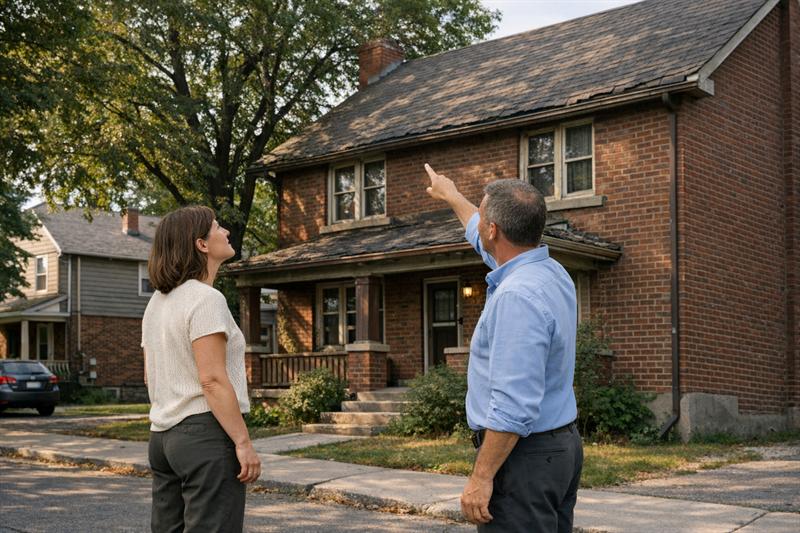
Many homes in Hamilton have age-related wear. Roofing, windows, plumbing, and electrical systems are common areas where issues can surface.
Buyers sometimes focus on finishes and presentation while overlooking the condition of major systems. That can change the true cost of ownership after purchase.
If a home shows signs of wear or outdated systems, it may mean additional investment will be needed in the near term.
Where Buyers Have Negotiation Power
- Homes that have been on the market longer than expected
- Properties with visible maintenance concerns
- Listings priced above recent comparable sales
These situations can create opportunities. Buyers who stay patient and evaluate options carefully are often in a better position to secure stronger terms.
Featured Snippet Answer: 2026 can be a practical time to buy in Hamilton if you focus on negotiation opportunities, realistic budgeting, and property condition.
Mid-Market Reality Check
If you are seeing any of the following, your current approach may need adjusting:
- You keep losing out on homes despite making competitive offers
- Homes in your budget need more work than expected
- Your purchasing power feels lower than it did earlier in your search
- You are unsure whether to move forward or wait
These patterns do not always point to bad timing. More often, they suggest a need for clearer strategy, better market alignment, or a reset in expectations before making a move.
What Sellers Should Expect in Today’s Market
Pricing Strategy Has Shifted
Pricing is now a deciding factor, not just a starting point. Overpricing rarely creates competition in a market where buyers have more options.
This is where many listings struggle. When a home is priced above what buyers expect based on comparable properties, showings often slow down. That can lead to price reductions and weaker final results.
Time on Market Expectations
Homes are taking longer to sell in many segments. Timing depends on price, condition, location, and how the property compares with other available listings.
When a listing sits too long, buyers may start to question value or condition. That often leads to lower offers and reduced leverage.
Preparing a Property for Sale
- Complete visible repairs before listing
- Improve cleanliness and presentation
- Make sure the home shows well online and in person
Buyers are comparing more options, which makes preparation more important. Even small improvements can influence how a property is perceived.
For a deeper look at selling strategies, review this complete guide to selling your home in Hamilton.
Featured Snippet Answer: Homes in Hamilton may take longer to sell in 2026, especially if they are overpriced or not well prepared for the market.
Key Risks and Opportunities in 2026
Risk of Overpaying in a Changing Market
Overpaying becomes more likely when decisions are based on outdated comparisons or a sense of urgency rather than current market context.
Without a clear view of present pricing, buyers can commit at levels that do not reflect current conditions or the property’s position within its segment.
Waiting vs Acting: What to Consider
Waiting can reduce immediate pressure, but it can also mean missing suitable opportunities. Market conditions and borrowing costs can continue to shift in either direction.
Acting too quickly can lead to poor decisions, but waiting without a plan can create a different kind of risk. The difference usually comes down to preparation, clarity, and timing that matches your situation.
Investment vs Primary Residence Considerations
Buying as an investor involves different priorities than buying a primary residence. Cash flow, resale potential, time horizon, and personal goals all affect the decision.
When those goals are mixed together, it becomes easier to choose the wrong property for the intended purpose. Clear intent usually leads to better decision-making.
Featured Snippet Answer: Deciding whether to buy now or wait depends on financial readiness, goals, and risk tolerance, not just market timing.
Hamilton vs Nearby Markets (Burlington, Stoney Creek, Brantford)
Surrounding markets offer different price points, housing types, and demand patterns. Burlington is typically higher priced, while areas such as Brantford may offer more accessible entry points for some buyers.
That creates trade-offs between cost, commute, and lifestyle. Buyers often compare these areas when trying to balance budget with long-term fit.
For a closer look at local options, explore the best neighborhoods in Hamilton.
Conclusion
The central challenge in the 2026 Hamilton market is not a lack of opportunity. It is understanding current conditions well enough to respond to them. Buyers who overlook affordability or property condition can take on higher costs. Sellers who miss the right price point can lose early momentum and negotiating strength.
In a more balanced market, small mistakes tend to have a bigger impact. Listings that sit become harder to reposition, and purchases made without careful evaluation can become more expensive over time.
Right at Home Realty, Brokerage works with buyers and sellers to interpret market conditions clearly and plan their next move with confidence. If you are deciding whether to buy or sell, understanding your position first can help you move forward more effectively.
Key Takeaways
- The market is balanced and calls for a clear strategy
- Affordability is shaping buyer decisions
- Buyers have more room to negotiate in many situations
- Sellers need accurate pricing to stay competitive
- Local market insight plays an important role in outcomes
Frequently Asked Questions
Is the Hamilton housing market going up or down in 2026?
The market is mixed. Some segments are stable while others are adjusting. Property type and location are two of the main factors influencing price direction. Reviewing recent comparable sales usually gives the clearest picture.
Is it a good time to sell a home in Hamilton right now?
It can be, if the home is priced and prepared properly. Buyers are more selective, and homes that miss expectations often take longer to sell. A clear strategy can improve the outcome.
What is the average home price in Hamilton Ontario?
Prices vary by property type and neighbourhood. Detached homes, townhomes, and condos can follow different patterns. Current local data is usually more useful than relying on a broad average alone.
Are buyers or sellers in control of the market in Hamilton?
The market is generally balanced. Buyers often have more negotiating flexibility, while sellers can still benefit from limited supply in certain segments. Outcomes depend heavily on pricing, preparation, and market fit.
How do interest rates affect Hamilton home prices?
Higher interest rates reduce purchasing power by increasing monthly borrowing costs. That can affect demand and influence how much buyers are willing or able to pay. Understanding financing is an important part of making informed decisions.
Which areas near Hamilton offer better affordability?
Markets such as Brantford and parts of Stoney Creek may offer more affordable options, depending on property type and location. Price differences usually reflect demand, commute patterns, and local amenities. Comparing several areas can help uncover better value.